
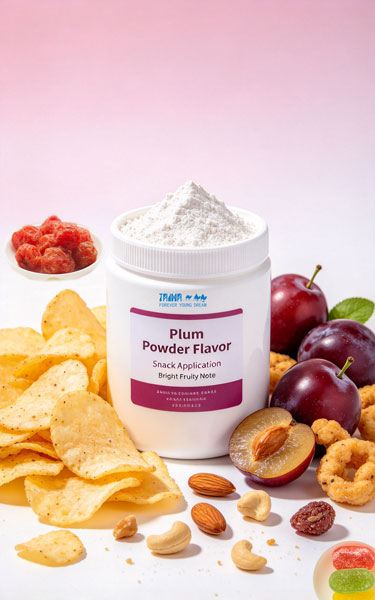
Plum powder flavor for snacks
Plum-flavored food-grade powdered flavoring is a solid additive designed to impart the essence of plum. Most commercially available versions come as a white powder and typically have a two-year shelf life.
Applications and Recommended Usage Levels:
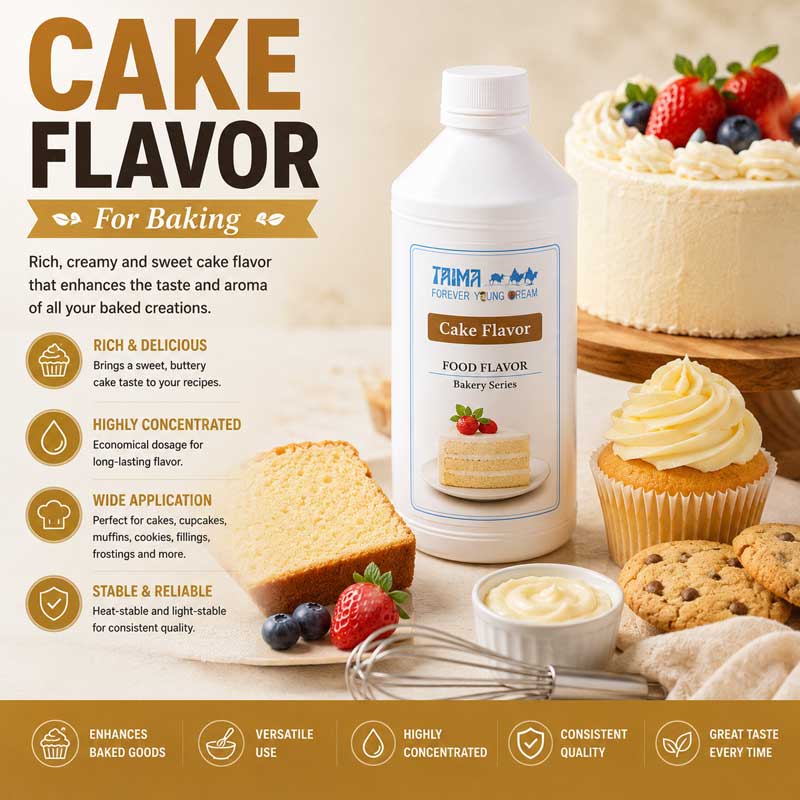
Baked Goods: Suitable for items such as bread, cakes, cookies, and popcorn. The recommended usage level is 0.1%-0.5%, as it offers good heat stability.
Solid Beverages: Ideal for powdered drink mixes, compressed candies, and instant beverage powders. The recommended usage level is 0.05%-0.12%, ensuring an even distribution of aroma.
Other Applications: Can also be used to enhance the flavor profile of products such as candied fruits, roasted nuts/seeds, and various snack foods.
Why Choose our plum powder flavor for snacks
Distinct Sour Plum Profile:Delivers a refined, authentic sour plum taste ideal for beverages and snacks.
Versatile Daily Flavor Use:Easy incorporation into food and drink formulations for consistent flavor performance.
High-Quality Food Additive:Supports professional-grade recipe development and enhances sensory appeal.
Natural Plant Extract Base:Offers a natural positioning for manufacturers seeking quality flavoring solutions.
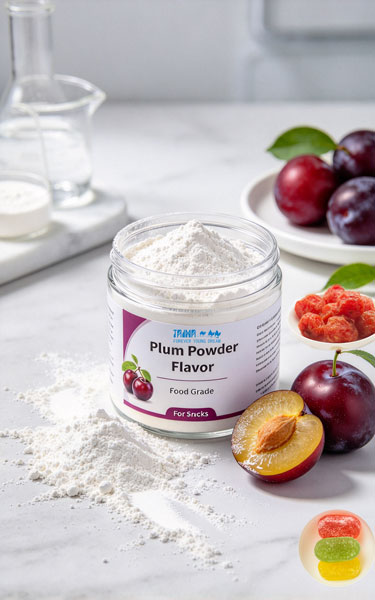
Food Additives (plum powder flavor)
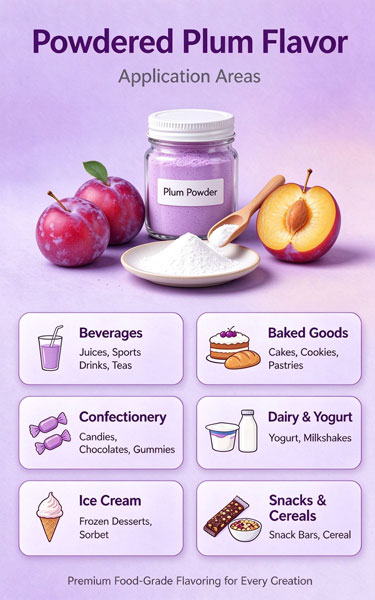
1.Beverages and Dairy Products: Imbues fruit juices, tea drinks, prepared wines, carbonated beverages, yogurt, and ice cream with complex fruity aromas.
2. Baking and Confectionery: Used in cakes, biscuits, chocolates, hard candies, soft candies, jellies, and chewing gum.
3. Flavoring and Functional Foods: Used in jams, sauces, prepared dishes, instant tea, and fortified foods.
Daily Chemicals and Industrial Applications
1. Cosmetics/Personal Care Products: Perfumes, face masks, powder compacts, shower gels, etc., adding a unique matcha aroma.
2. Household Products: Scented candles, air fresheners, etc.
3. Others: Some cleaning agents and paints also contain small amounts to provide a refreshing matcha aroma; there are also small-scale experimental applications in the chemical and textile industries.
Specifcation of Food Flavor
- Products Name: corn fruit food flavor
- Application: for beverages, baking, candies, dairy...
- Solubility: water-soluble, oil-soluble, water-oil-soluble
- Appearance: liquid/powder
- Storage Conditions: seal, cool, dry without sunlight
- Shelf Life: 2years under proper storage
- Flavor type
1)Water-soluble fragrance;
2) Oil-soluble essence;
3)Powder aroma;
4)Emulsified flavour
5)Paste flavor;
Advantages Of Food Flavors:
I. Optimizing Food Flavor
1. High and Low Temperature Resistance: Frying, baking, and freezing do not affect the stability of the flavoring.
2. Imbuing Rich Flavors: Many processed foods have bland base flavors; adding food flavorings can create a variety of pleasant aromas (such as fruity or nutty flavors), satisfying consumers' diverse flavor preferences.
3. Compensating for Flavor Defects: Foods easily lose their natural aromas during processing, transportation, and storage. Flavorings can replenish and improve aromas, and also mask unpleasant odors generated during processing, enhancing overall quality.
4. Stabilizing Aroma Quality: Flavorings are formulated according to a uniform recipe, ensuring consistent aroma across batches and preventing fluctuations in the flavor of natural ingredients from affecting the finished product's taste.
II. Value to the Food Industry
1. Reducing Production Costs: Compared to directly using natural ingredients for flavoring, food flavorings are lower in cost, require very small amounts, are more suitable for large-scale industrial production, and can also solve the problem of seasonal shortages of some natural ingredients.
2. Facilitate Product Innovation: It can flexibly formulate complex flavors that are difficult to achieve with natural ingredients (such as mixed fruit flavors and trendy innovative flavors), helping companies develop new products and enhance product added value and market competitiveness.
3. Adapt to Special Processing Needs: Different dosage forms of flavorings (powder, water-soluble, oil-soluble, water-oil soluble, etc.) can be adapted to different processes such as baking and high-temperature sterilization, extending the aroma retention during the product's shelf life.
III. Safety Advantages of Compliant Use:
Strictly complying with the "National Food Safety Standard - Standard for the Use of Food Additives" (GB 2760-2024) ensures food safety and will not impose additional burdens on health.
IV. Recommended Dosage our flavor flavor:
The recommended dosage varies depending on the type of flavoring:
Water-based flavorings: 0.07%-0.15%;
Oil-based flavorings: 0.2%-0.3%
Emulsified flavorings: 0.05%-0.12%;
Powdered solid beverages: 0.08%-2%Precautions for Use of Food flavoring
| (1) | Stir thoroughly after adding to ensure even distribution. |
| (2) | It is recommended to add it at the final stage of the production process, as high temperatures may cause some aroma loss. |
| (3) | After the finished product is made, seal and store at a low temperature to prevent aroma loss. |
| (4) | Concentrated flavoring is a food additive and cannot be consumed directly; it can only be added to baking ingredients. |
Food flavor package
1.Shipment:
Door to Door service by FedEx/TNT/DHL
2.payment method:
PayPal, T/T, W/U; Alibaba; Bank transfer...
3.Time delivery:
3 days after we gentting payment;
4.Packing:
First,Fluorinated bottles/bags first;
Next packed by Chunky Aluminium foil bag;
Then in carton box;
Frequently Asked Questions
Everything you need to know about our food flavor solutions.
Contact Veivy for a Quote
Ready to enhance your product's taste? Get in touch today!
Contact on WhatsAppTaima supply Raw materials for more than since 2008:
1. Concentrate flavors: Tobacco flavors, Fruit flavors, Mint flavors, mixed flavors...for e-liquid vape juice.
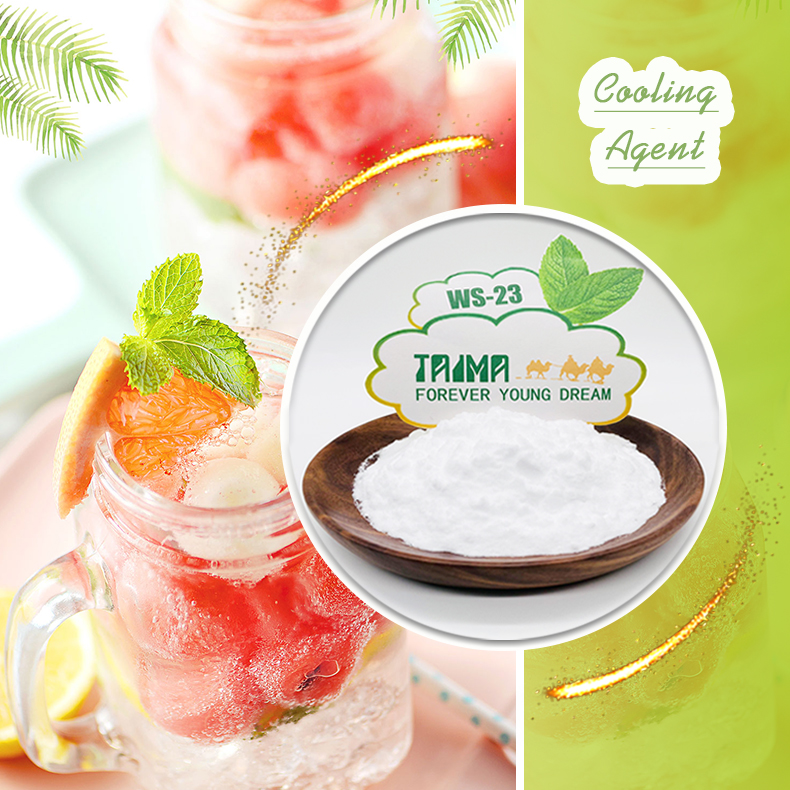
2. Powder cooling agents: WS-23, WS-3,WS-5, WS-27, WS-12...
3. powder sweeteners: Neotame, Sucralose, Advantame...
4. Other additaves: Sour,Ethyl Malto other enhancer...
Plum powder flavor for snacks
Plum powder flavor: Taima concentrated, food-grade plum powder flavor to enhance snacks since 2008— a quality concentrated flavoring manufactured by Xi’an Taima Bioengineering Co., Ltd. Professional-grade formula delivering rich taste and stable performance across food and beverage systems.
Taima Sour Plum Flavor Powder: Flavoring for Beverages & Snacks, High-Quality Natural Plant Extract Food Additive
Plum Powder Flavor Formulation Advantages
- High-purity concentrate with potent aromatic strength
- Excellent solubility for seamless incorporation
- Stable in various pH and processing conditions
- Food-grade quality meeting international standards
Plum Powder Flavor Application Scope
- Suitable for beverages, dairy products, baked goods, confectionery, snacks, and nutritional products. Adaptable to both water-phase and oil-phase formulations.
- Baked Goods: Suitable for items such as bread, cakes, cookies, and popcorn.
- Solid Beverages: Ideal for powdered drink mixes, compressed candies, and instant beverage powders.
- Other Applications: Can also be used to enhance the flavor profile of products such as candied fruits, roasted nuts/seeds, and various snack foods.
Recommended Dosage of different food flavors
Advantages of plum powder flavor
Global Supplier You Can Trust
Xi’an Taima operates an advanced flavor production facility with a 1000+ product portfolio. We offer competitive factory pricing, free samples, COA/TDS documentation, and worldwide logistics. Inquiries are welcome from distributors and manufacturers. Welcome to try our samples