Taima concentrate Neroli fragrance Orange blossom liquid flavor for perfume
Why most perfume need neroli flavor
Neroli is a natural aromatic essential oil extracted from the Orange blossom flowers of bitter orange/sour orange, and it is an important raw material for fragrance and perfumery.
Neroli has a fresh, sweet floral scent with subtle citrus notes and a hint of spice. It blends well with citrus oils and various floral essential oils, often used to enhance the complexity and atmosphere of perfumes. It can also be used directly as a diffuser to help relieve anxiety and improve mood.
It is gentle and non-irritating, suitable for all skin types, especially dry, sensitive, and mature skin. It is widely added to various skincare products.
Detials of neroli flavor
I.Orange blossom extract is a classic and popular fragrance ingredient in the perfume industry, widely used in high-end perfume formulations:
I. Fragrance Characteristics and Extraction Classification Orange blossom extract is extracted from the flowers of the orange tree. Its aroma combines freshness and elegance: it possesses the bright, refreshing qualities of citrus, while also incorporating a slight soapy note and natural greenness, presenting an overall fresh, sweet, yet understated character. In perfumery, it is typically used as a middle or top note.
II. Core Roles in Perfume
1. Enhancing Fragrance Layers and Clarity: As a middle or top note, it effectively brightens the overall fragrance, making it lighter and more transparent, avoiding a heavy or cloying feel, and enhancing the overall complexity.
2. Serving as a Fixative and Longevity Component: The core components of orange blossom extract, such as linalool and indole, have high molecular stability and low volatility. Upon contact with the skin, they release their fragrance slowly and are often used as fixative components in high-end perfumes. The combination of lily and orange blossom can further extend the overall longevity through molecular synergy.
3. Create the core fragrance note: Orange blossom is suitable for a variety of occasions and is the core ingredient of many classic orange blossom perfumes, from light cologne to strong perfume.
Daily Chemical Products Sector
1. Fragrance and Perfume: Neroli is a core ingredient in over 12% of high-end perfumes and a classic ingredient in traditional, authentic cologne.
2. Skincare and Cosmetics: Creams, masks, massage lotions, body oils, etc., offer moisturizing, sebum-regulating, pore-minimizing, skin-soothing, cell-repairing, and fine-line-fading effects.
3. Other Daily Chemical Products: Found in soaps, shower gels, laundry detergents, toners, etc.
Food and Beverage Industry Applications:
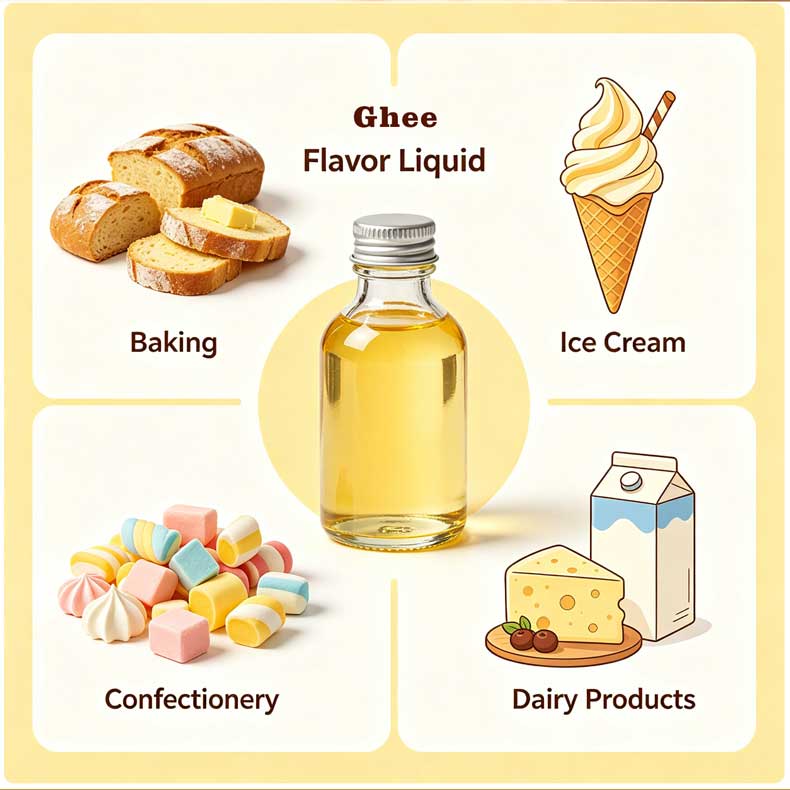
1. Beverages: Sparkling water, modern tea drinks, specialty coffees, fruit syrups, etc. Common pairings include orange blossom sparkling water, milk tea, and orange blossom apple Americano.
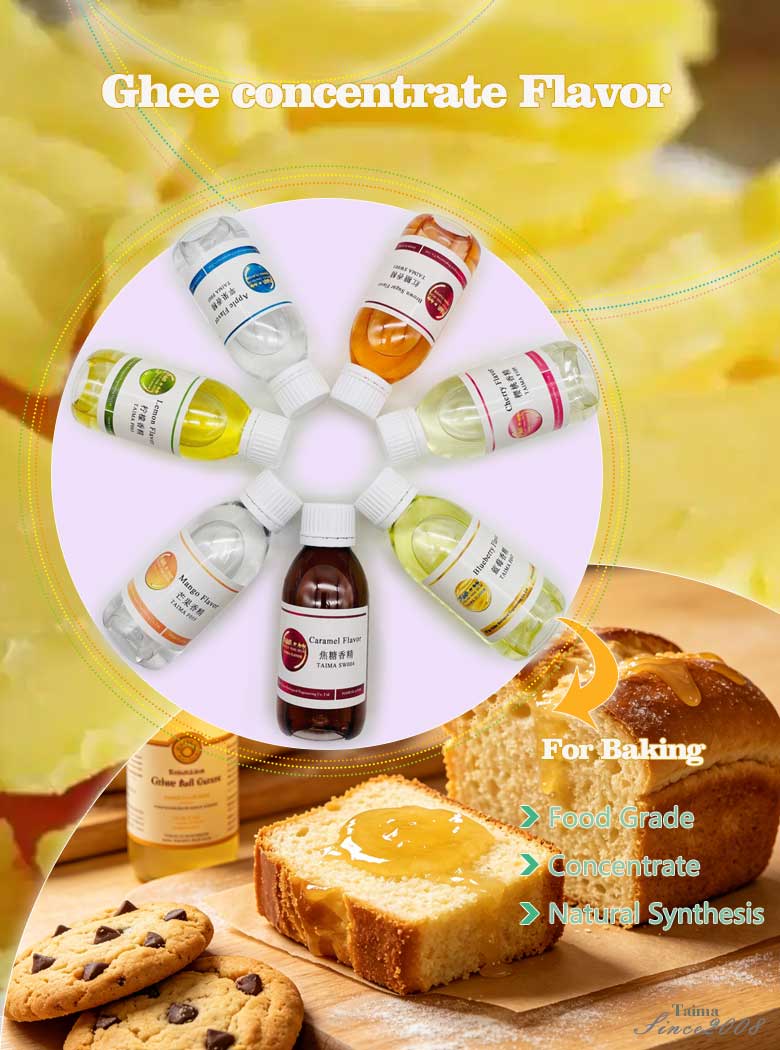
2. Baked Goods and Desserts: Adding a refreshing aroma to cakes, crepes, brioche, and cookies to balance the overall sweetness. It can also replace vanilla extract in desserts, resulting in a more distinctive flavor.
3. Other Desserts and Candied Fruits: Marshmallows, candies, and other candied fruits.
4. Dairy Products: Flavored yogurt, ice cream, etc.
Specifcation of Food Flavor
- Refractive index: 80-120
- Purity: 99%
- safaty healthy
- Composition: essence = Base + taste (fragrance/flavors)
- Addition ratio: 0.05%~0.3%
- Flavor type
1) Nature synthesis Flavor (Best-selling );
2) Natural extraction flavoring;
3) synthetic flavor.
Advantages Of Food Flavors:
I. Optimizing Food Flavor
1. High and Low Temperature Resistance: Frying, baking, and freezing do not affect the stability of the flavoring.
2. Imbuing Rich Flavors: Many processed foods have bland base flavors; adding food flavorings can create a variety of pleasant aromas (such as fruity or nutty flavors), satisfying consumers' diverse flavor preferences.
3. Compensating for Flavor Defects: Foods easily lose their natural aromas during processing, transportation, and storage. Flavorings can replenish and improve aromas, and also mask unpleasant odors generated during processing, enhancing overall quality.
4. Stabilizing Aroma Quality: Flavorings are formulated according to a uniform recipe, ensuring consistent aroma across batches and preventing fluctuations in the flavor of natural ingredients from affecting the finished product's taste.
II. Value to the Food Industry
1. Reducing Production Costs: Compared to directly using natural ingredients for flavoring, food flavorings are lower in cost, require very small amounts, are more suitable for large-scale industrial production, and can also solve the problem of seasonal shortages of some natural ingredients.
2. Facilitate Product Innovation: It can flexibly formulate complex flavors that are difficult to achieve with natural ingredients (such as mixed fruit flavors and trendy innovative flavors), helping companies develop new products and enhance product added value and market competitiveness.
3. Adapt to Special Processing Needs: Different dosage forms of flavorings (powder, water-soluble, oil-soluble, water-oil soluble, etc.) can be adapted to different processes such as baking and high-temperature sterilization, extending the aroma retention during the product's shelf life.
III. Safety Advantages of Compliant Use:
Strictly complying with the "National Food Safety Standard - Standard for the Use of Food Additives" (GB 2760-2024) ensures food safety and will not impose additional burdens on health.
Precautions for Use of Neroli flavoring
| (1) | Stir thoroughly after adding to ensure even distribution. |
| (2) | It is recommended to add it at the final stage of the production process, as high temperatures may cause some aroma loss. |
| (3) | After the finished product is made, seal and store at a low temperature to prevent aroma loss. |
| (4) | Matcha flavoring is a food additive and cannot be consumed directly; it can only be added to baking ingredients. |
Food flavor package
1.Shipment:
Door to Door service by FedEx/TNT/DHL
2.payment method:
PayPal, T/T, W/U; Alibaba; Bank transfer...
3.Time delivery:
3 days after we gentting payment;
4.Packing:
First,Fluorinated bottles/bags first;
Next packed by Chunky Aluminium foil bag;
Then in carton box;
Frequently Asked Questions
Everything you need to know about our food flavor solutions.
Contact Veivy for a Quote
Ready to enhance your product's taste? Get in touch today!
Contact on WhatsAppTaima supply Raw materials for more than since 2008:
1. Concentrate flavors: Tobacco flavors, Fruit flavors, Mint flavors, mixed flavors...for e-liquid vape juice.
2. Powder cooling agents: WS-23, WS-3,WS-5, WS-27, WS-12...
3. powder sweeteners: Neotame, Sucralose, Advantame...
4. Other additaves: Sour,Ethyl Malto other enhancer...